7 Powerful Ways to Support How to Pass a Kidney Stone Quickly
If you’re searching how to pass a kidney stone quickly, chances are this is not just curiosity.
It’s urgency.
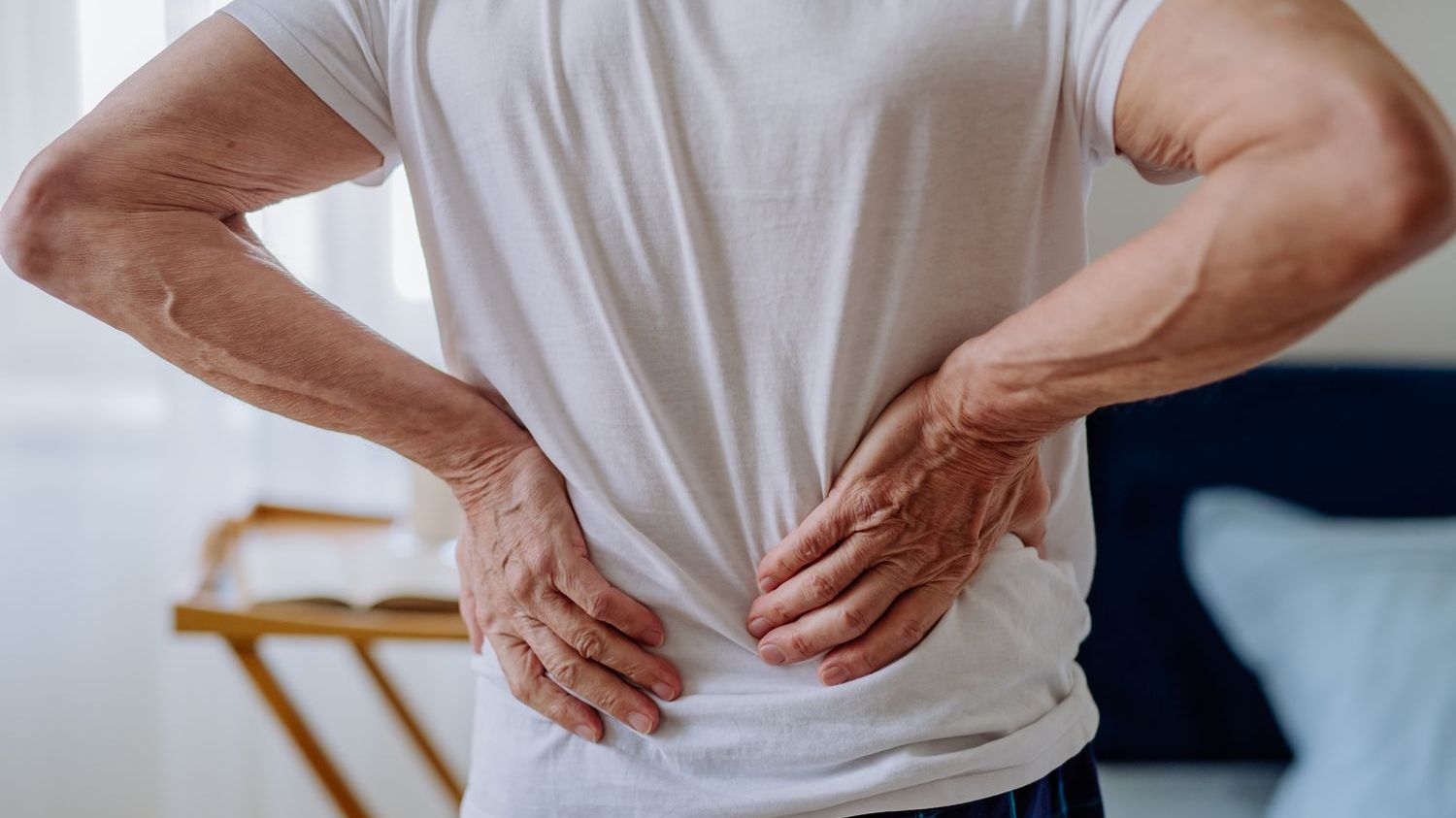
Sharp pain. Sudden waves. Pressure that makes it hard to sit still. Maybe it starts in your lower back, moves around your side, or drops into the groin. You keep shifting positions, trying to get comfortable, and nothing really works.
So the question becomes: How do I support my body and get this stone moving as safely as possible?
Let’s walk through what may be happening inside your body and what can help support the process naturally.
What’s Actually Happening When a Kidney Stone Is Passing
Before talking about speed, it helps to understand the process.
Kidney stones, also called nephrolithiasis or urinary calculi, often do not cause major pain while they are sitting in the kidney.
Pain usually starts when:
- the stone begins to move
- it enters the ureter
- urine flow becomes restricted
- pressure builds behind the stone
That pressure is often what causes the intense pain people associate with kidney stones.
In simple terms, the body is trying to move the stone out. Your role is not to “force” it out. Your role is to support the conditions that may help it move more efficiently:
- keep urine flowing
- reduce unnecessary tension
- support steady movement through the urinary tract
That is the basic idea behind how to pass a kidney stone quickly in the safest, most practical way.
Why This Matters in Real Life
Kidney stones can take over your whole day.
You may be dealing with:
- sharp or constant discomfort
- nausea or reduced appetite
- urinary urgency or frequency
- anxiety about when the next pain wave will hit
And if you have had one before, you may already be thinking about the next problem: how to keep it from happening again.
That is why relief and prevention both matter.
If you are trying to understand the bigger picture, start with:
1. Hydration and Kidney Stones: Your Most Important First Step
When it comes to hydration and kidney stones, this is one of the most important things to focus on.
More fluid can help support:
- urine production
- pressure behind the stone
- natural forward movement
A practical target for many people is:
- 3 to 4 liters of fluid per day
- spread across the day
- consistent intake rather than chugging all at once
Good options include:
- water
- lemon water
- other low-sugar fluids
It is usually wise to limit:
- sugary drinks
- soda
- excess caffeine
Hydration is not only important during an active stone episode. It is also one of the biggest long-term strategies in the prevention of renal calculi.
2. Do Not Hold Your Urine
This sounds basic, but it matters.
Holding urine may increase pressure and make the whole situation feel worse. Once your body gives you the signal to go, go.
Keeping urine moving is part of supporting the natural passage process, especially as the stone gets lower in the tract.
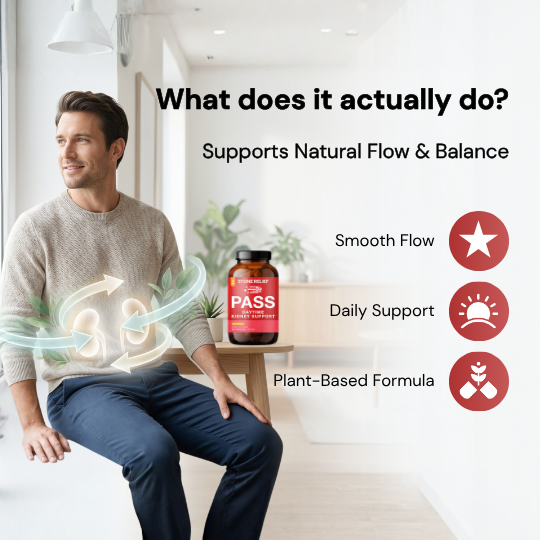
3. Support Urinary Flow Naturally
One of the most overlooked parts of how to pass a kidney stone quickly is simply supporting healthy urinary flow.
Some people choose to use plant-based support such as:
- Chanca Piedra
- hydrangea root
- citrus-based compounds
These are typically used to support:
- urinary flow
- mineral balance
- daily urinary wellness
To keep this compliant and realistic: these ingredients are not a guarantee, and they should not be described as dissolving, curing, or breaking up stones. They are better positioned as supportive tools that may help create a better environment for the body’s natural process.
4. Keep Moving Gently
You do not need intense exercise.
But staying lightly active may help support movement.
Gentle motion can sometimes help by:
- shifting the stone’s position
- using gravity to your advantage
- encouraging forward movement
Simple ideas:
- walking
- light stretching
- gentle stair movement
5. Use Heat for Comfort
Heat does not move the stone directly, but it may help with comfort.
A kidney stone episode often involves:
- pressure
- muscle guarding
- spasms
A heating pad, warm bath, or warm shower may help relax the area and make the pain easier to manage.
That makes heat a comfort tool, not a cure.
6. Watch Your Diet, Especially if You’re Thinking About Calcium and Kidney Stones
Diet matters during an active episode, and it matters even more for prevention.
If your history involves calcium and kidney stones, especially calcium oxalate stones, it may help to be mindful of high-oxalate foods such as:
- spinach
- almonds
- chocolate
- beets
Meals are often easiest during an active stone episode when they are simple, hydrating, and not overloaded with foods that may add to the overall burden.
That said, stone prevention is more nuanced than “just avoid oxalates.” It always often points back to stone type, mineral balance, and individual context rather than one-size-fits-all rules.
7. Stay as Calm as You Can
Pain creates tension.
Tension can make the whole process feel worse.
When people ask how to pass a kidney stone quickly, they usually focus only on fluids and food. But reducing tension matters too.
Supportive options include:
- slow breathing
- warm showers
- rest between movement
- avoiding panic when possible
You do not need to feel perfectly calm. You just want to avoid adding more physical tension to an already stressful situation.
What About Large Kidney Stones?
Large kidney stones can be a different situation.
In general, stones over about 5 to 6 mm may:
- take longer to pass
- create more intense symptoms
- increase the chance of needing medical support
Some smaller stones pass relatively quickly. Others do not. And some larger stones may still move, but they often require closer attention.
This is where realistic expectations matter.
When to Seek Medical Help
Natural support has a place, but there are clear limits.
You should seek medical attention if you have:
- pain lasting more than 12 hours without relief
- fever or chills
- trouble urinating or you cannot urinate
- ongoing vomiting
- signs of infection
Severe ongoing pain can mean urine is being blocked, and fever is not something to play around with.
A simple line you can use here:
If this lasts more than 12 hours or you develop a fever, please seek medical attention.
Understanding the Bigger Picture
Kidney stones are not random.
They are influenced by:
- hydration habits
- diet patterns
- mineral balance
- genetics
- underlying metabolic factors
There are also different types of kidney stones, including:
- calcium oxalate
- uric acid
- struvite
- cystine
Understanding your stone type matters, because prevention strategies are not identical for everyone.
That is also why topics like kidney stones causes, types of kidney stones, and are kidney stones hereditary are worth exploring if you want a long-term plan.
What Actually Helps Most
If you are trying to support passage at home, the core steps are simple:
- hydrate consistently
- do not hold your urine
- stay lightly active
- use heat for comfort
- keep meals simple
- stay as relaxed as possible
That is the practical foundation behind how to pass a kidney stone quickly without overpromising.
A Simple Daily Routine for Ongoing Support
Once the stone passes, the real goal becomes prevention.
A simple daily routine may include:
- starting the day with water or lemon water
- maintaining steady hydration
- eating in a way that fits your stone type
- supporting mineral balance
- staying consistent instead of waiting for symptoms
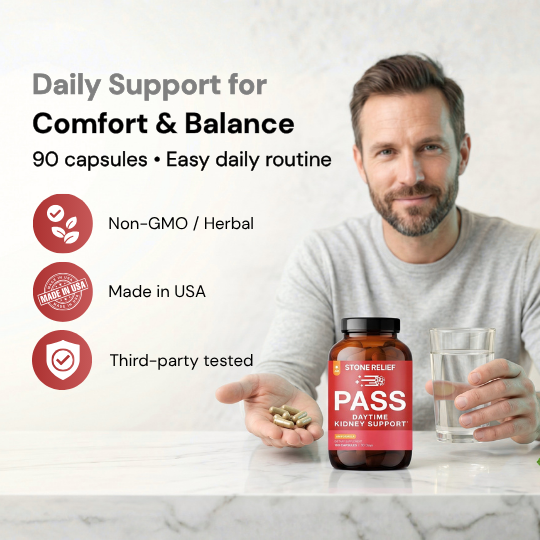
If you want to mention a product, keep it soft and accurate:
Want a Step-by-Step Plan?
If you feel overwhelmed, that makes sense.
There is a lot of conflicting advice online, especially around how to pass a kidney stone quickly.
A good free resource or guide can help people understand:
- what may help during each stage
- what symptoms to watch
- what daily habits support prevention
- when natural support is reasonable and when it is time to get help
Common Questions
How can I pass a kidney stone quickly at home?
Focus on hydration, urine flow, gentle movement, and comfort support. These steps may help support the body’s natural passage process.
What helps a stone move faster?
Steady fluids, reduced tension, and gentle movement may help support stone movement. Nothing safely guarantees fast passage.
Can diet affect passing?
Diet can affect the overall environment in the body, and it plays an even bigger role in prevention.
Final Thoughts
Passing a kidney stone can be brutal.
But you are not powerless.
When you understand what is happening and support your body in practical ways, you may improve comfort, support natural movement, and build habits that help lower the chances of future stones.
You do not need hype.
You need consistent, supportive actions and a clear sense of when to get medical help.
About the Author