
7 Common Symptoms of Kidney Stones in Adults You Shouldn’t Ignore

It often starts quietly. A dull ache. A strange pressure. Maybe a sudden urge to use the bathroom more often.
Many adults ignore these signs at first. Life is busy. Pain comes and goes.
However, for some people, these early signals turn into intense discomfort that’s hard to explain or ignore. That’s when many start searching for answers about symptoms of kidney stones in adults.
If that sounds familiar, you’re not alone. Understanding what your body may be signaling can help you feel more prepared and less overwhelmed.
What Are Kidney Stones?
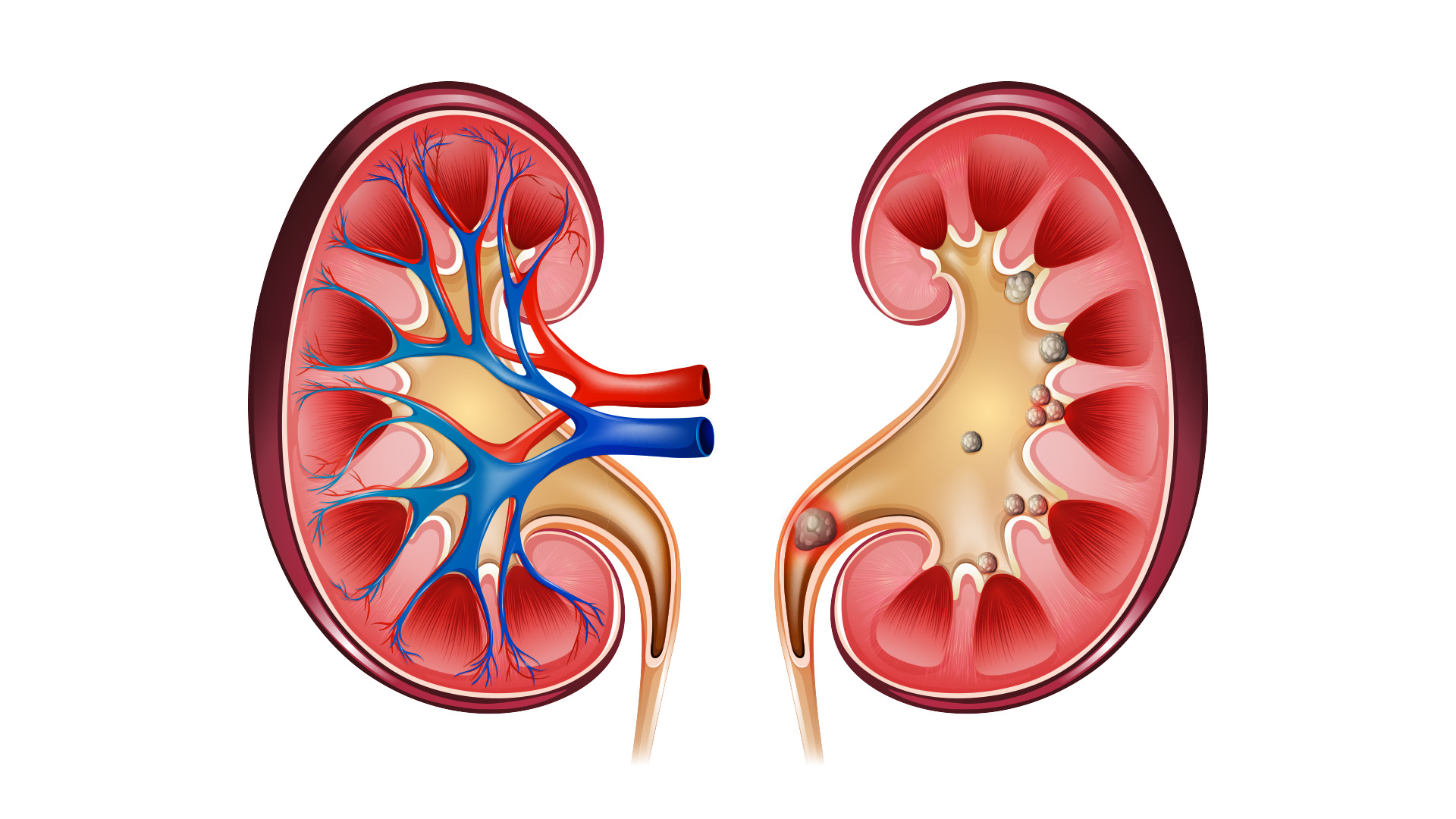
Kidney stones are hard mineral formations that can develop inside the kidneys. They vary in size and shape. Some are as small as a grain of sand. Others are larger and more noticeable.
Often, stones form quietly.Symptoms often appear when a stone begins moving through the urinary system, and that movement is what creates many of the sensations adults describe.
Understanding symptoms of kidney stones in adults can help you recognize what’s happening and decide on supportive next steps — including hydration, dietary adjustments, and in some cases, adding a targeted kidney health supplement to your daily routine.
Why Symptoms of Kidney Stones in Adults Matter
Symptoms aren’t random. They’re your body’s way of communicating stress, imbalance, or irritation.
In adults, kidney stone symptoms can:
- Interrupt daily routines
- Affect sleep and energy
- Create anxiety due to sudden discomfort
- Leave people unsure what foods, habits, or supplement choices may help support urinary wellness
Knowing what’s common — and what’s not — can help you feel more grounded during an uncomfortable time. So, here are the 7 common symptoms of kidney stones in adults:
1. Sharp or Dull Pain in the Back or Side
One of the most talked-about symptoms of kidney stones in adults is pain in the lower back or side.
This pain may:
- Come in waves
- Shift locations
- Feel sharp, cramp-like, or deep
Pain intensity can vary widely from person to person. Some describe mild pressure. Others experience sudden, intense discomfort.
2. Pain That Moves Toward the Lower Abdomen or Groin
As a stone moves, pain often travels. Adults may feel discomfort shift downward toward the abdomen or groin area.
This movement can feel confusing. However, it’s a common pattern reported with kidney stone symptoms.

3. Frequent Urge to Urinate
Another common symptom is the need to urinate more often.
Adults may notice:
- Sudden urges
- Needing to go even when little urine passes
- Discomfort during urination
This sensation often increases as stones move closer to the bladder.
4. Changes in Urine Color or Appearance
Urine changes are often mentioned when discussing symptoms of kidney stones in adults.
Some people notice:
- Cloudy urine
- Darker-than-usual color
- Pink or reddish tint
These changes may feel alarming. However, they’re commonly reported when the urinary tract is irritated.
5. Burning or Discomfort During Urination
A burning sensation or discomfort while urinating can occur as stones move through the urinary tract.
This symptom is often mistaken for other issues. Paying attention to additional signs can provide helpful context.

6. Nausea or Digestive Upset
Surprisingly, kidney stone symptoms don’t always stay near the kidneys.
Adults sometimes experience:
- Nausea
- Upset stomach
- Reduced appetite
This happens because discomfort in the urinary system can trigger responses in nearby systems.
7. General Restlessness or Trouble Getting Comfortable
Many adults with kidney stone symptoms report feeling restless.
They may:
- Shift positions often
- Struggle to find relief
- Feel tense or uneasy
This restlessness is another way the body expresses internal discomfort.
When Symptoms Feel Mild vs. Intense
Not all kidney stone symptoms are severe. Some adults experience mild signs that come and go.
Others feel sudden, intense sensations that disrupt daily life.
Both experiences are valid. Symptoms vary based on stone size, location, and individual sensitivity.

Natural Ways to Support the Body During Kidney Stone Symptoms
While symptoms can feel overwhelming, many adults focus on gentle daily habits that support overall urinary wellness.
Support may include hydration, balanced nutrition, and in some cases, incorporating a kidney health supplement designed to support normal urinary flow and mineral balance.*
Here are supportive strategies often discussed:
Hydration Comes First
Drinking enough fluids helps support natural urinary flow.
Tips:
- Sip water throughout the day
- Avoid long periods without fluids
- Listen to your body’s thirst cues
Many adults find that spacing fluids throughout the day feels more supportive than drinking large amounts all at once.
Mindful Food Choices
Some adults pay closer attention to how foods make them feel during kidney stone symptoms.
General supportive habits include:
- Balanced meals
- Limiting overly processed foods
- Eating consistent, nourishing portions
Certain individuals also explore mineral-support supplements as part of their wellness plan, especially when focusing on long-term urinary balance.
Gentle Movement and Rest
Light movement may help some people feel more comfortable. Others benefit from rest.
The key is balance. Notice what your body responds to best.
Practical Tips for Daily Support
If you’re navigating kidney stone symptoms, consider these gentle tips:
- Keep a refillable water bottle nearby
- Track how different foods make you feel
- Prioritize sleep and stress reduction
- Stay consistent with supportive routines
- Use wellness tools and supplements thoughtfully
Small habits add up over time.
Symptoms can be uncomfortable. They can also feel isolating.
However, many adults experience kidney stone symptoms at some point. Learning what’s common helps reduce fear and confusion.
You’re not broken. Your body is communicating.
Common Questions About Symptoms of Kidney Stones in Adults
Do kidney stone symptoms always mean something serious?
Not always. Symptoms can range from mild to intense and may come and go depending on the stone’s size and movement.
Can symptoms change from day to day?
Yes. Many adults notice symptoms shift in location or intensity over time.
Is it normal to feel anxious during kidney stone symptoms?
Yes. Sudden discomfort and uncertainty can naturally increase stress. Learning what’s common often helps people feel more grounded.
About the Author