15 Eye-Opening Truths About Large Kidney Stones
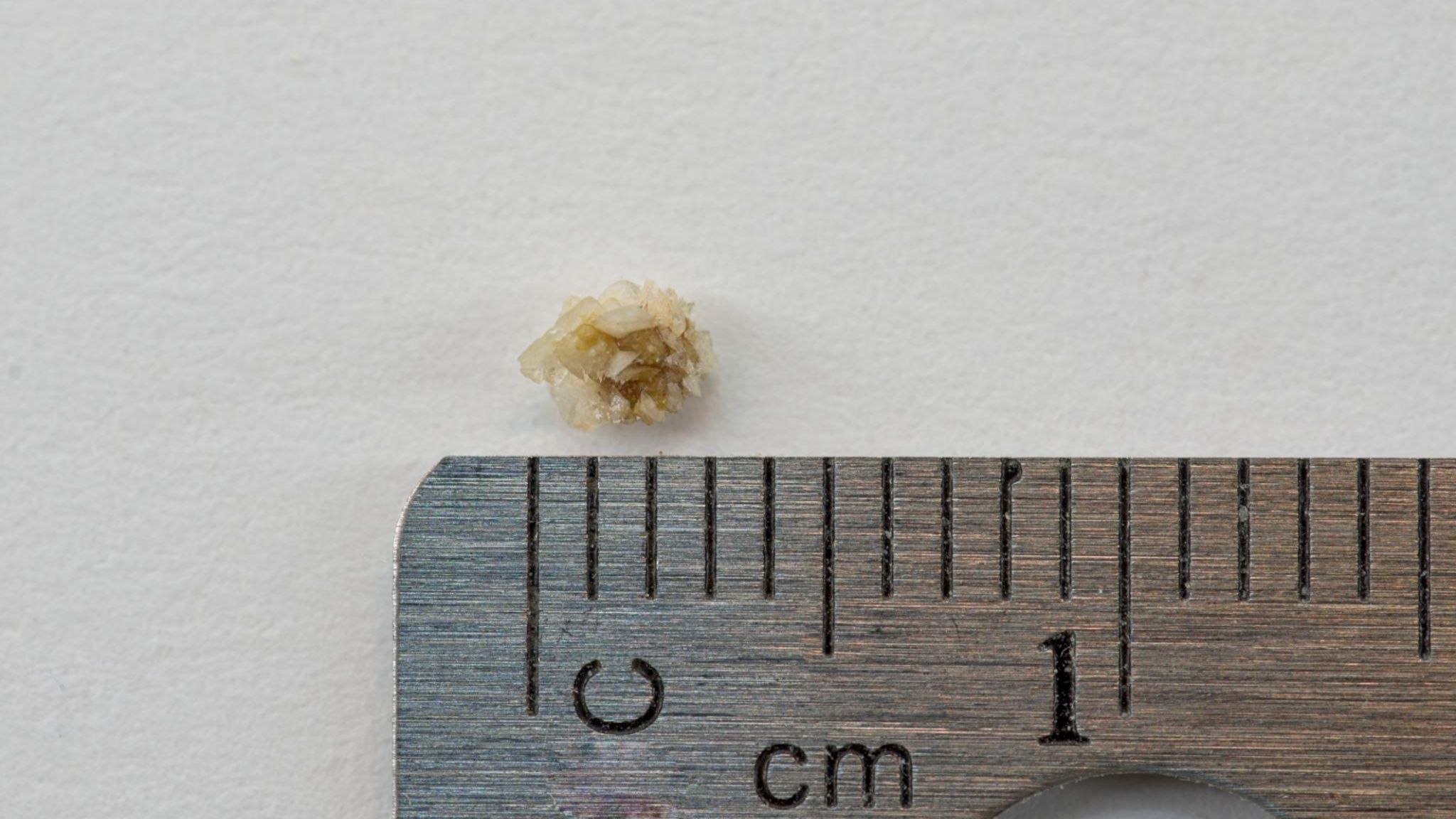
Large kidney stones can feel overwhelming.
The pain can stop you in your tracks. The uncertainty can create anxiety. And the conflicting advice online only makes things worse.
If you’re dealing with large kidney stones, or trying to prevent them from getting worse, these 15 truths will help you understand what’s happening — and what you can do to support your body naturally.
Let’s break this down clearly and calmly.
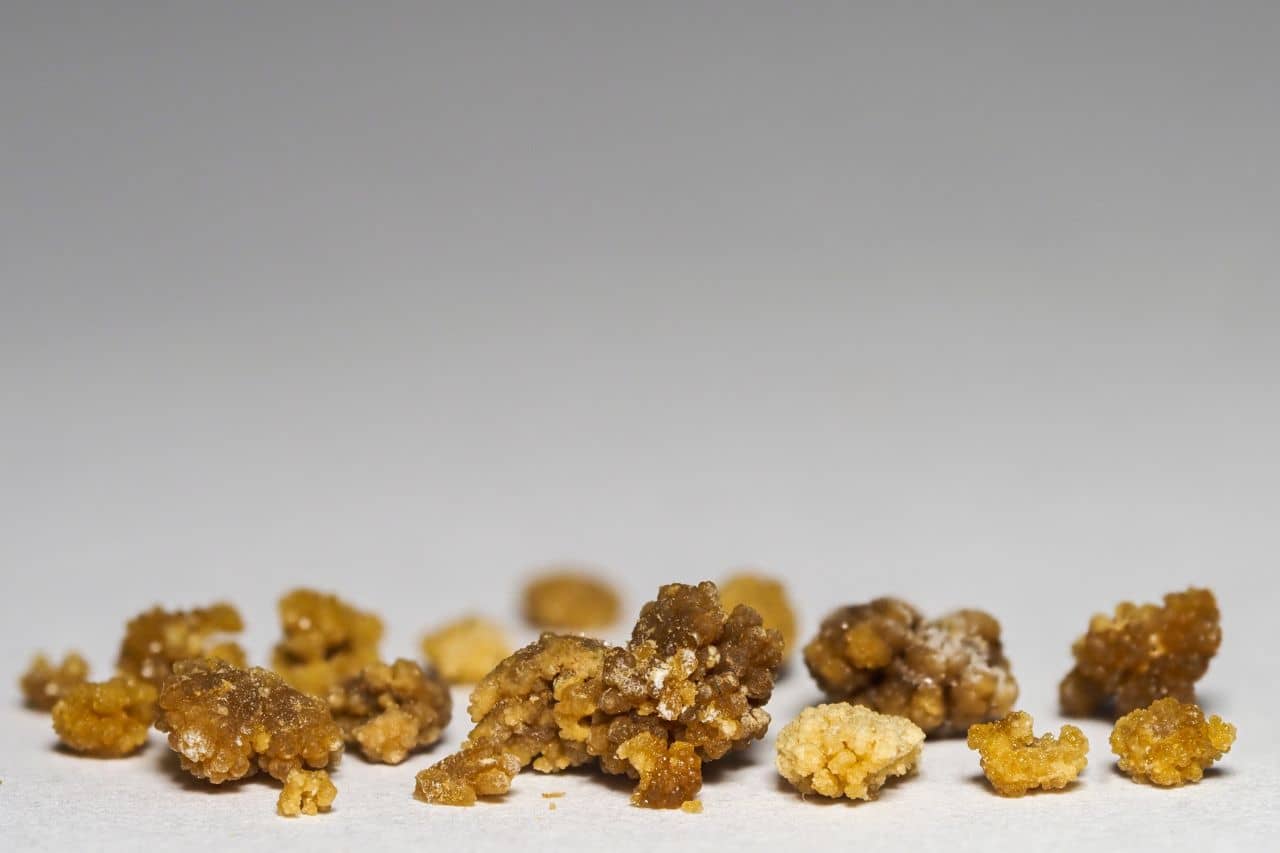
1. “Large” Usually Means 6 mm or Bigger
Kidney stones are typically categorized by size:
-
Small: under 4 mm
-
Medium: 4–6 mm
-
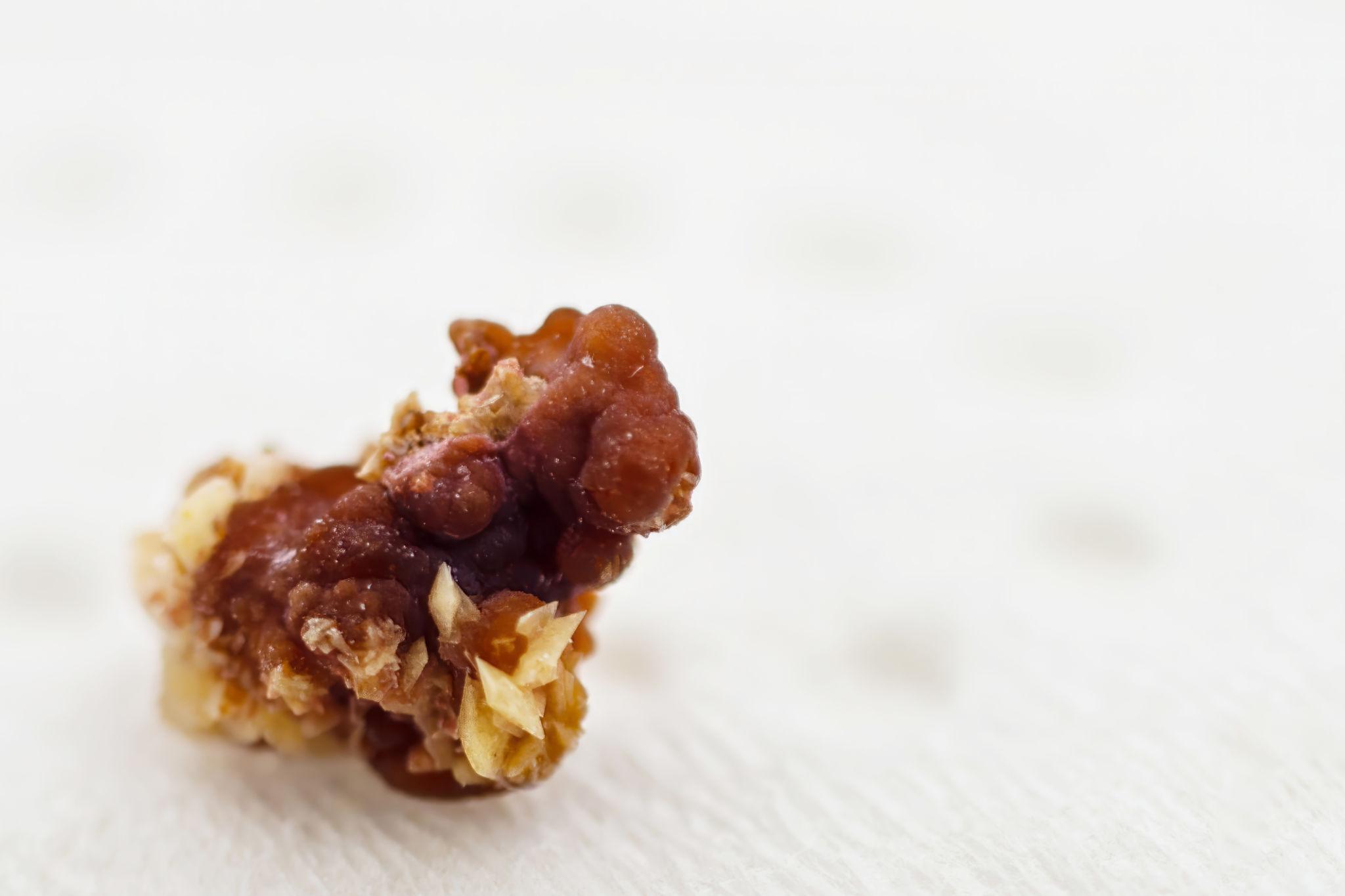
Large kidney stones: 6 mm and above
The larger the stone, the harder it may be for the body to move it naturally through the ureter.
But size alone doesn’t tell the full story.
2. Density Matters As Much As Size
A 7 mm soft stone may move more easily than a 6 mm dense one.
Stone density (often measured on a CT scan) affects:
-
How easily it breaks apart
-
How much friction it creates
-
How much pressure builds behind it
Understanding composition is key for long-term support.
3. Large Kidney Stones Don’t Always Cause Immediate Pain
Many large kidney stones sit quietly inside the kidney for months — or even years.
Pain usually begins when:
-
The stone shifts
-
It enters the ureter
-
Urine backs up behind it
Movement, not size alone, triggers discomfort.
4. The Pain Comes From Pressure, Not the Stone Itself
When urine cannot flow freely, pressure builds inside the kidney.
That pressure causes muscle spasms known as renal colic.
Symptoms may include:
-
Sharp back pain
-
Groin pain
-
Nausea
-
Urinary urgency
-
Blood in urine
Supporting healthy urinary flow becomes critical.
5. Hydration Is Your First Line of Defense
When urine is concentrated, minerals bind more easily.
Consistent hydration helps:
-
Maintain healthy urine volume
-
Support mineral dilution
-
Promote natural flushing
Instead of drinking large amounts at once, sip water steadily throughout the day.
Add lemon for natural citrate support — citrate helps maintain mineral balance in urine.
6. Cutting All Calcium Is a Mistake
Many people panic and eliminate calcium completely.
However, balanced dietary calcium actually supports proper mineral absorption in the gut.
Low calcium diets can sometimes increase oxalate absorption.
Focus on balance — not elimination.
7. Sodium Intake Can Worsen Mineral Imbalance
High sodium intake may increase calcium excretion in urine.
That’s why reducing processed foods can support urinary wellness.
Small dietary shifts can make a big difference.
8. Large Kidney Stones Can Increase Anxiety
The unpredictability creates stress:
-
“Will it move today?”
-
“Will I need surgery?”
-
“Will this happen again?”
A structured daily support routine reduces uncertainty — and that alone lowers stress.
9. Movement Supports Circulation and Flow
Gentle walking may help support circulation and natural urinary flow.
You don’t need intense workouts.
Even 20–30 minutes of daily movement supports overall kidney wellness.
10. Urinary Comfort Matters — Day and Night
Large kidney stones can disrupt sleep.
Nighttime discomfort increases stress hormones and inflammation.
That’s why a structured AM/PM support approach can help maintain consistent urinary wellness around the clock.
11. Herbal Support Has a Long History in Urinary Health
One of the most researched herbs for urinary support is Chanca Piedra.
Traditionally used for urinary wellness, it has been studied for its ability to:
-
Support kidney health
-
Promote healthy urinary flow
-
Support mineral balance
-
Maintain urinary tract comfort

12. Consistency Beats Intensity
You don’t need extreme detoxes.
You don’t need crash diets.
What works best:
-
Daily hydration
-
Moderate sodium reduction
-
Balanced minerals
-
Gentle herbal support
-
Routine movement
Consistency builds resilience.
13. Severe Symptoms Require Medical Attention
Natural support is powerful — but it has limits.
Seek medical care immediately if you experience:
-
Fever over 100.4°F
-
Chills
-
Persistent vomiting
-
Severe pain lasting over 24 hours
-
Inability to urinate
Large kidney stones combined with infection require urgent care.
14. Prevention Starts During the Current Episode
The biggest mistake people make?
Waiting until the stone passes to change habits.
Prevention begins now:
-
Support hydration
-
Improve mineral balance
-
Maintain urinary flow
-
Reduce sodium
-
Stay consistent
Daily habits today influence future stone risk.
15. Your Body Is Built to Regulate — If You Support It
Your kidneys filter blood constantly.
They regulate minerals.
They balance fluids.
They manage waste.
When you support those natural processes — instead of fighting them — you create a healthier internal environment.
That’s the purpose behind STONE RELIEF.
Not quick fixes.
Not miracle claims.
Just structured, day-and-night support for kidney health and urinary wellness.
The Emotional Side of Large Kidney Stones
Many people don’t talk about this part.
Large kidney stones can cause anxiety.
The fear of pain returning.
The worry about procedures.
The confusion about diet.
You’re not alone in that.
The key is shifting from panic to plan.
When you understand what’s happening inside your body, you feel more in control.
And when you build a consistent daily support routine, you reduce uncertainty.
A Gentle, Consistent Approach Works Best
There is no overnight fix for large kidney stones.
But there is a daily strategy.
Hydration.
Mineral balance.
Urinary flow support.
Lifestyle awareness.
Final Thoughts on Large Kidney Stones
Large kidney stones can feel intimidating.
But your body is resilient.
With the right hydration habits, mineral awareness, and supportive kidney health supplement routine, you can promote urinary wellness naturally.
Take small steps.
Stay consistent.
Support your body — don’t fight it.

Common Questions About Large Kidney Stones
Can large kidney stones pass naturally?
Some can. It depends on size, shape, and location. Larger stones are less likely to pass without assistance, but each case is unique. Supporting hydration and urinary flow can help maintain the body’s natural processes.
How big is “too big” to pass?
Stones over 6 mm are considered large and may have difficulty passing. However, some individuals pass stones larger than this. Medical guidance is important for personalized evaluation.
How long does it take to pass a large kidney stone?
It varies widely. Some stones move in days. Others may take weeks. Supporting urinary wellness during this time can help maintain comfort.
About the Author