7 Common Myths About Calcium and Kidney Stones (That Are Probably Confusing You)
If you’ve ever had a kidney stone, chances are someone immediately said: “Stop eating calcium.”
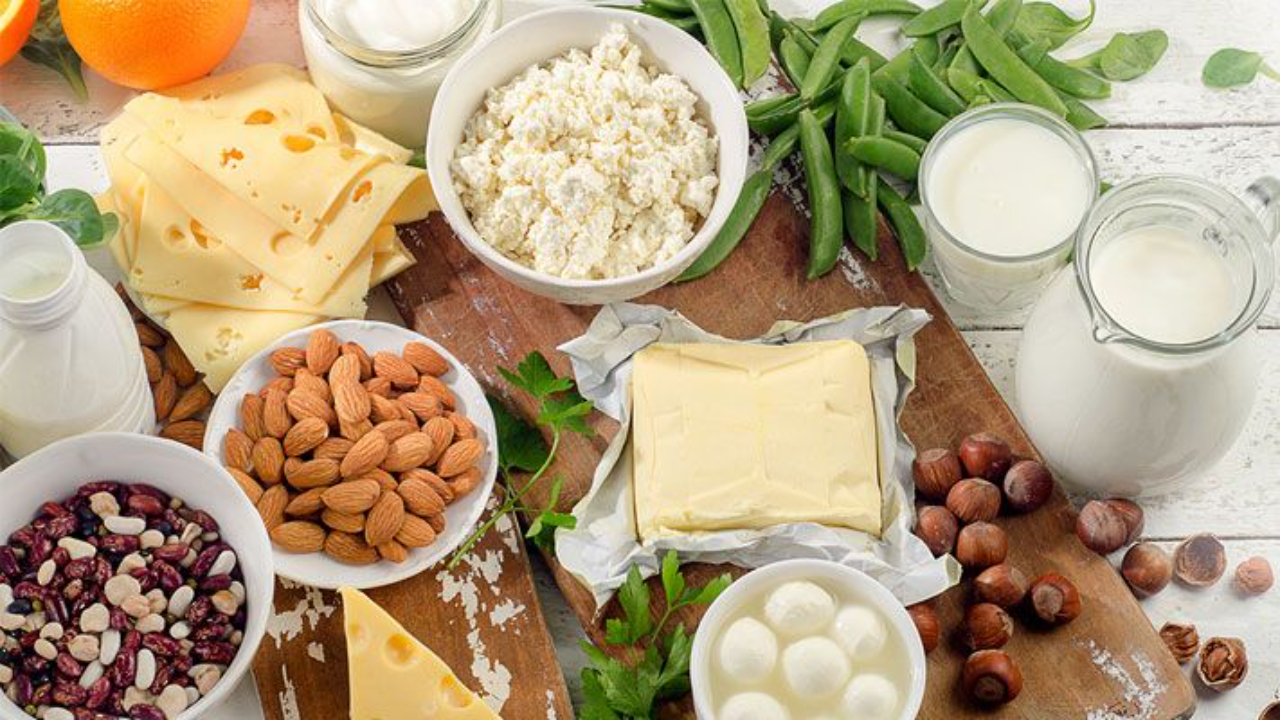
And just like that, dairy disappears. Almonds get side-eyed. Spinach becomes suspicious.
The problem?
Most of what people believe about calcium and kidney stones is either incomplete… or flat-out wrong.
And that confusion? It keeps people stuck in fear instead of moving toward real support.
Let’s clear the air.
Here are 7 of the most common myths about calcium and kidney stones — and what actually makes sense.
Myth #1: Calcium Causes Kidney Stones
This is the big one.
Yes, most kidney stones are made of calcium oxalate.
But that doesn’t mean calcium itself is the villain.
Kidney stones form when minerals in the urine become too concentrated and begin sticking together. That process involves:
- Hydration levels
- Oxalate levels
- Mineral balance
- Urinary flow
Calcium is only one part of a much larger picture.
Blaming calcium alone is like blaming flour for a bad cake recipe.
It’s about balance.

Myth #2: If You’ve Had a Calcium Stone, You Should Avoid Calcium Completely
This advice sounds logical — but it’s often misguided.
Dietary calcium consumed with meals may actually bind to oxalate in the digestive tract. When that happens, less oxalate may be absorbed into the bloodstream.
Less oxalate absorbed means less available to combine with calcium in urine.
So eliminating calcium entirely?
That may not be the answer.
Extreme restriction often creates new imbalances.
Myth #3: All Calcium Is the Same
There’s a difference between:
- Moderate dietary calcium from whole foods
- Large amounts of isolated supplemental calcium
- Calcium taken with meals vs. on an empty stomach
Context matters.
Calcium in food behaves differently than isolated mega-dose supplements.
That doesn’t mean supplements are automatically bad — but it does mean thoughtless intake isn’t helpful either.
When it comes to calcium and kidney stones, nuance matters.
Myth #4: If You Avoid Spinach, You’re Safe
Spinach gets a lot of blame because it’s high in oxalate.
But here’s the truth:
Kidney stone formation isn’t caused by one “bad” food.
It’s caused by patterns:
- Chronic dehydration
- High sodium intake
- Mineral imbalance
- Poor urinary flow
You can avoid spinach forever and still struggle if the underlying habits don’t change.
Single-food fear rarely solves systemic problems.

Myth #5: Once You Pass a Stone, You’re Fine
If only.
Many people experience recurrence.
Why? Because nothing in their routine changed.
Passing a stone doesn’t automatically correct:
- Urinary concentration
- Mineral balance
- Flow support
- Daily hydration habits
If the internal environment stays the same, the cycle often repeats.
That’s why ongoing support matters.
Myth #6: Drinking Water for a Few Days Is Enough
Hydration isn’t a temporary fix.
It’s a daily practice.
When urine stays concentrated, minerals have more opportunity to crystallize. When urinary flow slows down, crystals can linger longer than they should.
Supporting consistent hydration and urinary flow helps support the body’s natural elimination pathways.
This is where many people begin adding gentle daily herbal support — not as a reaction, but as maintenance.
Myth #7: There’s Nothing You Can Do Naturally
This one keeps people stuck.
No, natural support doesn’t mean “magic cure.”
And it shouldn’t be framed that way.
But you absolutely can:
- Support kidney health
- Support mineral balance
- Support healthy urinary flow
- Promote urinary wellness
- Support natural detox pathways
That’s exactly why we created:

So What Actually Makes Sense?
When it comes to calcium and kidney stones, here’s the balanced approach:
✔ Moderate calcium from whole foods
✔ Mindful oxalate intake (not obsession)
✔ Consistent hydration
✔ Reduced excessive sodium
✔ Support for healthy urinary flow
✔ Daily kidney support instead of crisis response
Fear-based decisions rarely work long term.
Balanced habits do.
Why This Topic Feels So Confusing
Kidney stones are painful. Sudden. Overwhelming.
When that happens, people want a simple enemy.
“Blame calcium.”
“Blame spinach.”
“Blame dairy.”
But the body doesn’t operate in single ingredients.
It operates in systems.
Supporting those systems consistently is far more powerful than eliminating random foods out of panic.
The Real Takeaway
Calcium isn’t the enemy.
Confusion is.
The more you understand how calcium and kidney stones actually interact, the less fear you need — and the more confident your daily choices can become.
Your kidneys work around the clock.
Supporting them daily makes sense.

Common Questions About Calcium and Kidney Stones
Should I stop eating dairy if I’ve had a calcium kidney stone?
Not necessarily. Moderate calcium from whole foods consumed with meals may help support balanced oxalate handling in digestion. Eliminating dairy without understanding the bigger picture may not solve the underlying issue.
Do calcium supplements cause kidney stones?
High-dose calcium supplements taken without meals may influence mineral balance differently than dietary calcium. If supplements are used, timing and dose matter. Always speak with your healthcare provider about personalized needs.
Can dehydration really make calcium stones worse?
Yes. When urine is concentrated, minerals have a higher chance of crystallizing. Supporting steady hydration helps maintain healthy urinary flow.
About the Author