
7 Types of Kidney Stones and What They Say About Your Body
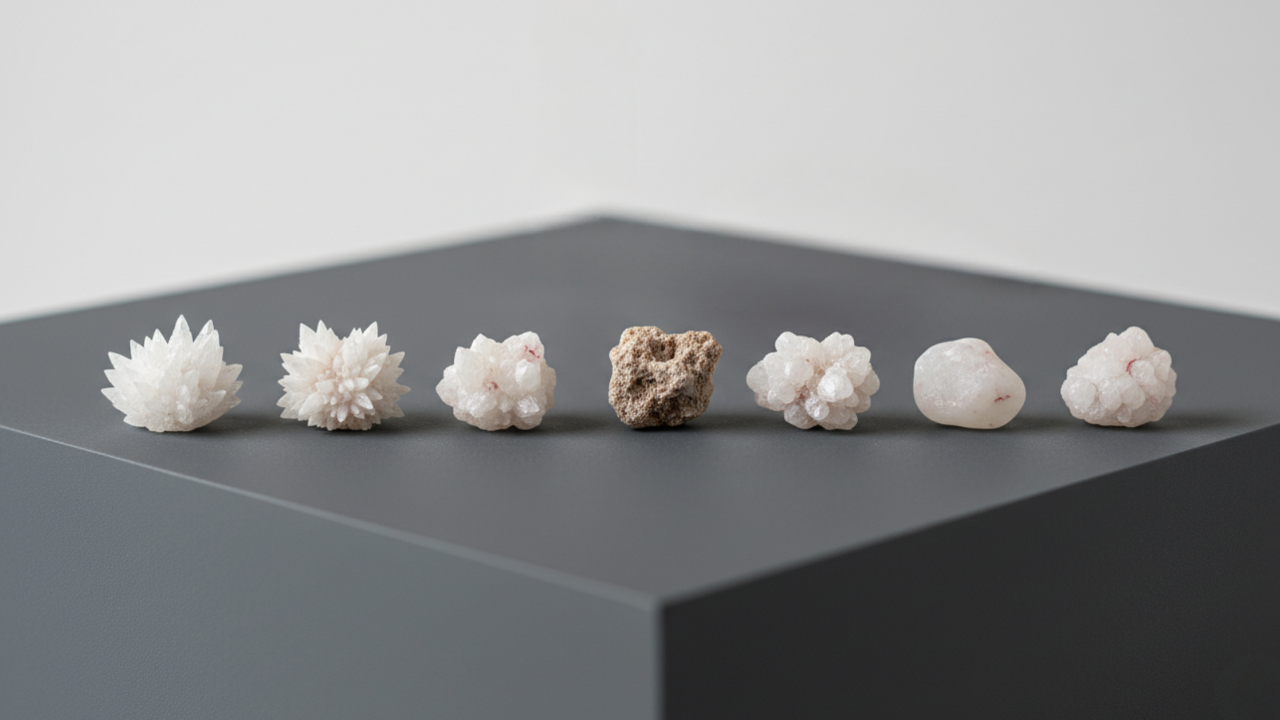
Most people think a kidney stone is just… a kidney stone.
Then questions start piling up: Why does mine keep coming back? Why does my friend’s experience sound totally different? Why does advice seem to contradict itself?
One big reason is simple: there are different types of kidney stones.
Understanding the types of kidney stones helps make sense of symptoms, lifestyle guidance, and why support strategies often focus on balance rather than one-size-fits-all answers.
Why Learning About Types of Kidney Stones Is Helpful
Knowing the types of kidney stones isn’t about diagnosing yourself. It’s about awareness.
When adults understand the basic differences, they can:
- Feel less confused by mixed advice
- Understand why hydration and diet matter
- Support kidney wellness more intentionally
- Have clearer conversations about overall health

1. Calcium Oxalate Stones (Most Common)
Calcium oxalate stones are the most common type of kidney stones.
They form when calcium binds with oxalate in urine. Oxalate is a naturally occurring compound found in many foods and also produced by the body.
Important things to know:
- Calcium itself is not the enemy
- Balance and hydration matter
- These stones are often discussed in relation to diet and fluid intake
These stones highlight why mineral balance and steady hydration are often emphasized.
2. Calcium Phosphate Stones
Another calcium-based option, calcium phosphate stones are less common but still widely discussed.
They may be associated with:
- Changes in urine chemistry
- Higher urine pH
- Certain metabolic patterns
These stones reinforce the idea that the body’s internal balance plays a key role in stone formation.
3. Uric Acid Stones
Uric acid stones form when urine becomes too acidic.
They are often discussed alongside:
- Hydration habits
- Diet patterns over time
- The body’s ability to process waste compounds
Uric acid stones are unique because they may be harder to detect with some imaging methods
4. Struvite Stones
Struvite stones are less common and tend to grow more quickly than other types.
They are often discussed in relation to:
- Urinary environment changes
- Ongoing irritation or imbalance
These stones can become large, which is why general kidney wellness awareness is often emphasized
5. Cystine Stones (Genetic-Linked)
Cystine stones are rare and linked to inherited patterns affecting how the body handles certain amino acids.
Key points:
- They often appear earlier in life
- They may recur more frequently
- Long-term wellness routines are often emphasized
Cystine stones show how genetics can influence the types of kidney stones someone experiences.

6. Brushite Stones
Brushite stones are a less common but important subtype of calcium-based stones.
They are often described as:
-
Dense
-
Hard
-
More resistant in certain situations
They highlight why mineral regulation and urinary balance are ongoing lifestyle conversations — not short-term fixes.
7. Xanthine Stones (Very Rare)
Xanthine stones are extremely rare.
They are usually associated with rare inherited metabolic conditions.
Most people will never experience this type, but it shows just how varied the types of kidney stones can be.
Why Types of Kidney Stones Matter for Daily Life?
Different types of kidney stones can behave differently.
They may vary in:
- Size and shape
- Texture and hardness
- How they move through the urinary system
- How often they recur
That’s why many wellness conversations focus on supporting kidney function overall rather than chasing one specific stone type.
Common Thread Across All Types of Kidney Stones
While there are different types of kidney stones, they share some common themes:
- Concentrated urine
- Mineral imbalance
- Inconsistent hydration
- Daily habits that add up over time
This shared foundation explains why hydration, nutrition, and supportive routines are discussed so often.

Natural Ways to Support the Body (Across All Stone Types)
Hydration Is the Foundation
Regardless of stone type, fluid intake plays a central role in kidney wellness.
Hydration helps:
- Support natural urinary flow
- Dilute waste and minerals
- Encourage regular elimination
Consistency matters more than extremes.
Supporting Mineral Balance
Minerals are essential — but balance is key.
Supportive habits include:
- Eating a variety of whole foods
- Avoiding overly restrictive diets
- Supporting the body’s natural elimination processes
Gentle Daily Habits
Small actions add up.
Examples:
- Regular bathroom breaks
- Light daily movement
- Stress management
- Consistent routines
These habits support the kidneys without pressure or fear.
If you’re learning about the types of kidney stones, these gentle practices may help support overall kidney health:
- Drink fluids consistently throughout the day
- Notice how foods make you feel
- Avoid long periods of dehydration
- Build routines instead of reacting to discomfort
- Use herbal support thoughtfully
Consistency beats perfection.
Learning about the types of kidney stones can feel overwhelming at first.
However, knowledge doesn’t mean worry.
It means awareness.
Your body is always working toward balance.
Support helps it do that more smoothly.
If you’re exploring the types of kidney stones and want to support your kidneys naturally, consider building a daily routine focused on hydration, balance, and gentle herbal support supplement.
Education first. Support second.
Your kidneys deserve steady care.

Common Questions About the Types of Kidney Stones
Do different stone types require completely different lifestyles?
Not necessarily. While stone types vary, many supportive habits — like hydration and balance — apply broadly.
Can someone experience more than one type of kidney stone?
Yes. Some adults experience different types over time, which is why general kidney wellness is often emphasized.
Should learning about stone types feel overwhelming?
No. This information is meant to bring clarity, not stress. Awareness helps guide gentler, more intentional habits.
About the Author