
My Blog
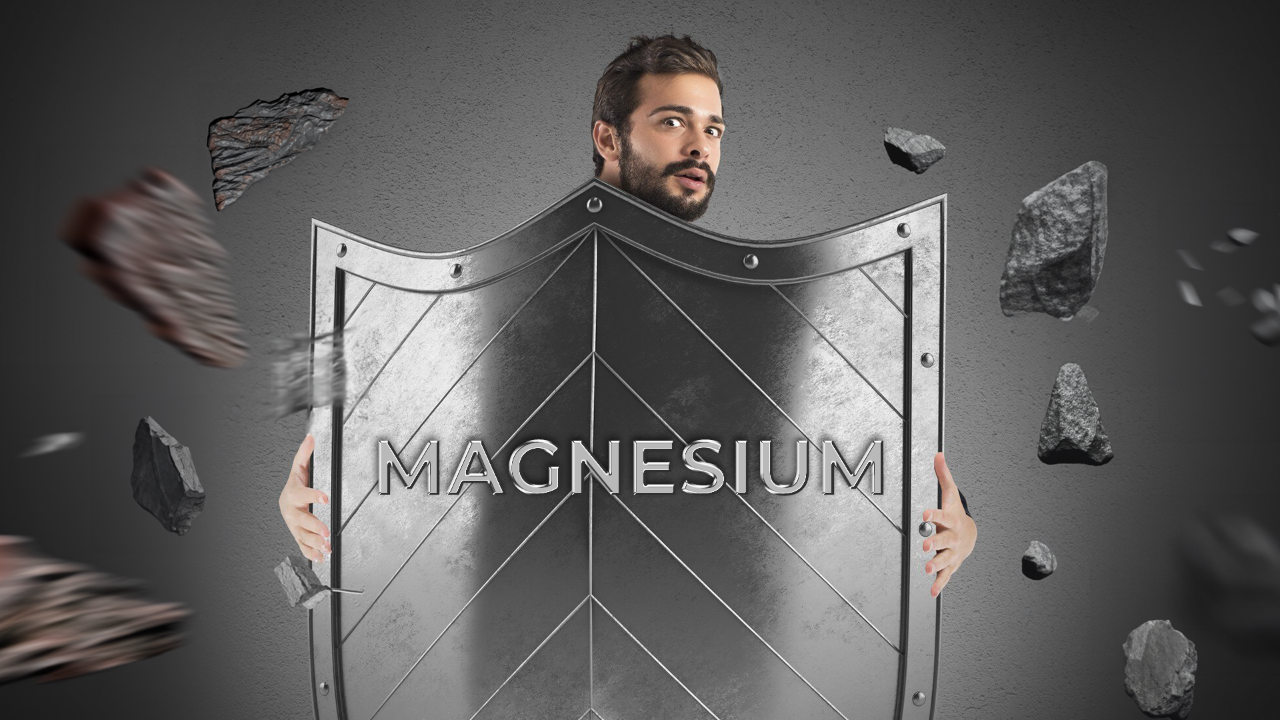
Magnesium plays a powerful yet often overlooked role in preventing kidney stones—especially the most common kind, calcium oxalate stones. But the prob...
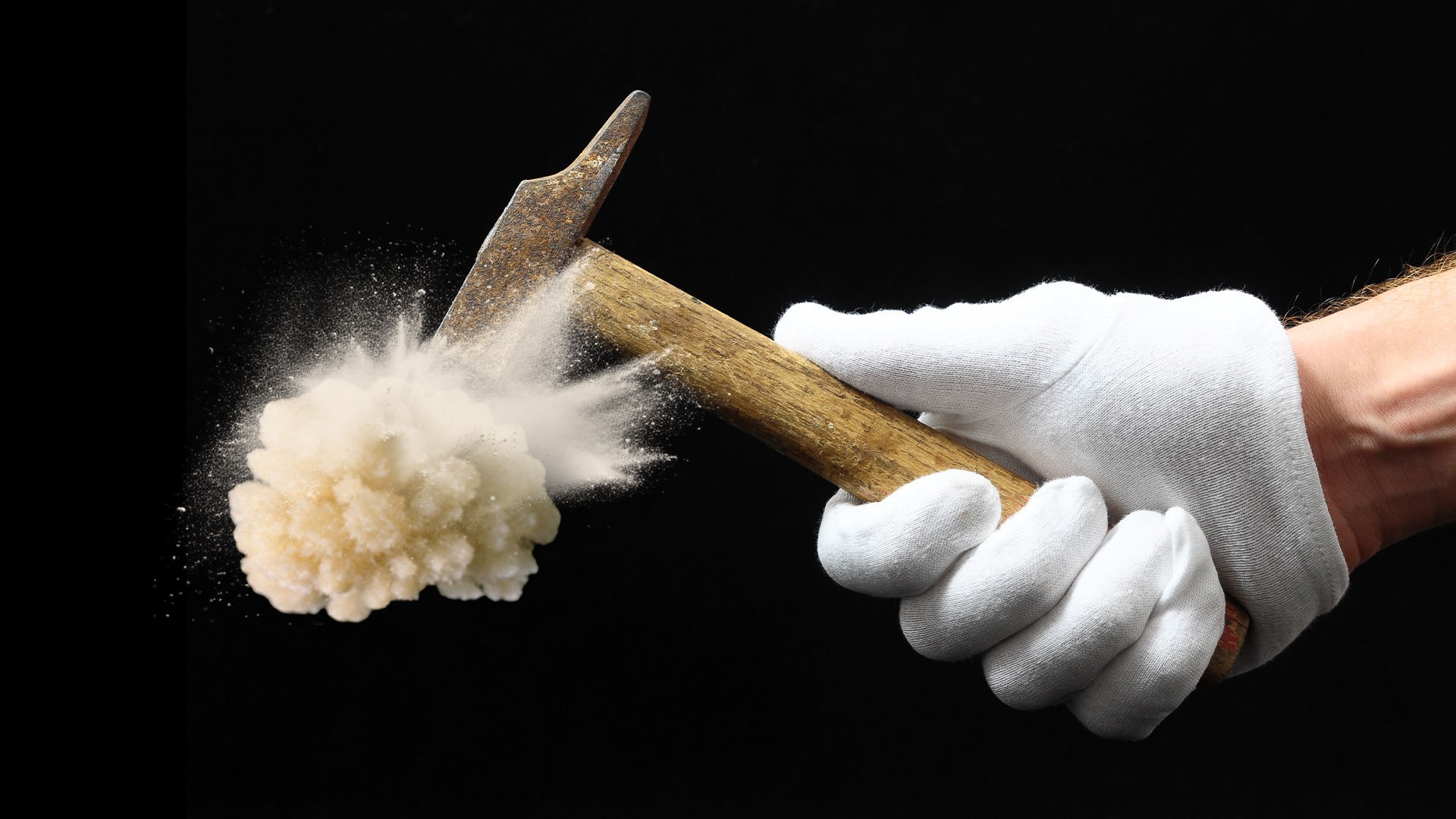
Brushite kidney stones are among the most dangerous and difficult stones to treat. Exceptionally dense, sharp, and recurring, these rare calcium phosp...
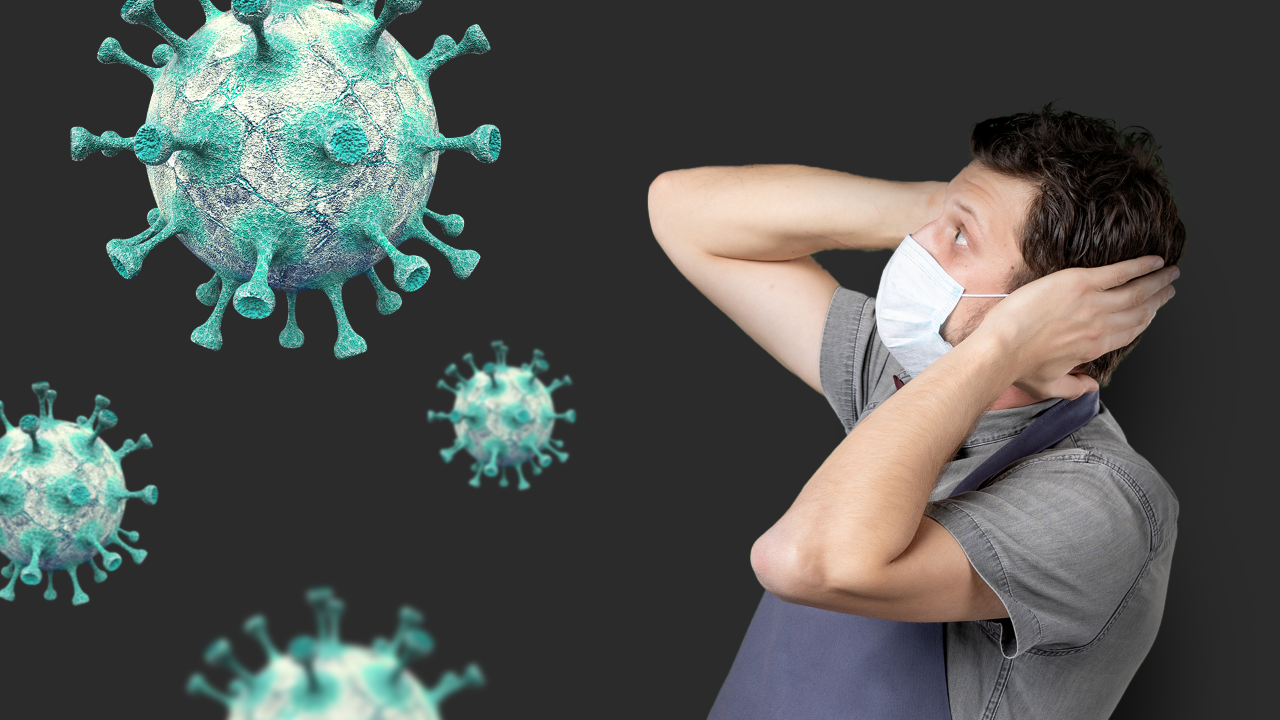
Struvite kidney stones, made of magnesium ammonium phosphate, are one of the most dangerous types of kidney stones. If left unchecked, they can lead t...
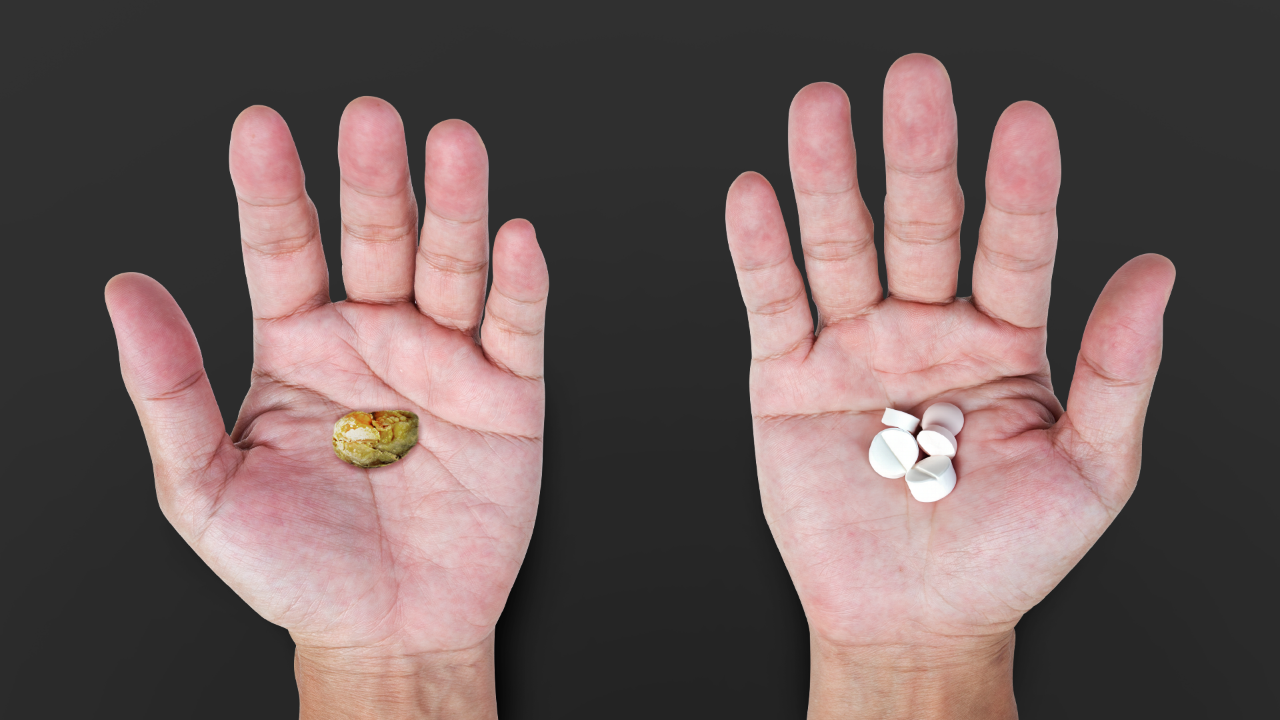
Pharmaceutical drugs are often prescribed without patients knowing that some can trigger kidney stone formation. Even worse, many of these stones are ...

Medications are often a necessary part of treating various health conditions, but some can contribute to the formation of kidney stones. Whether by al...

Protein kidney stones, while rare, can cause intense pain similar to traditional kidney stones, but are often invisible on standard imaging tests. The...
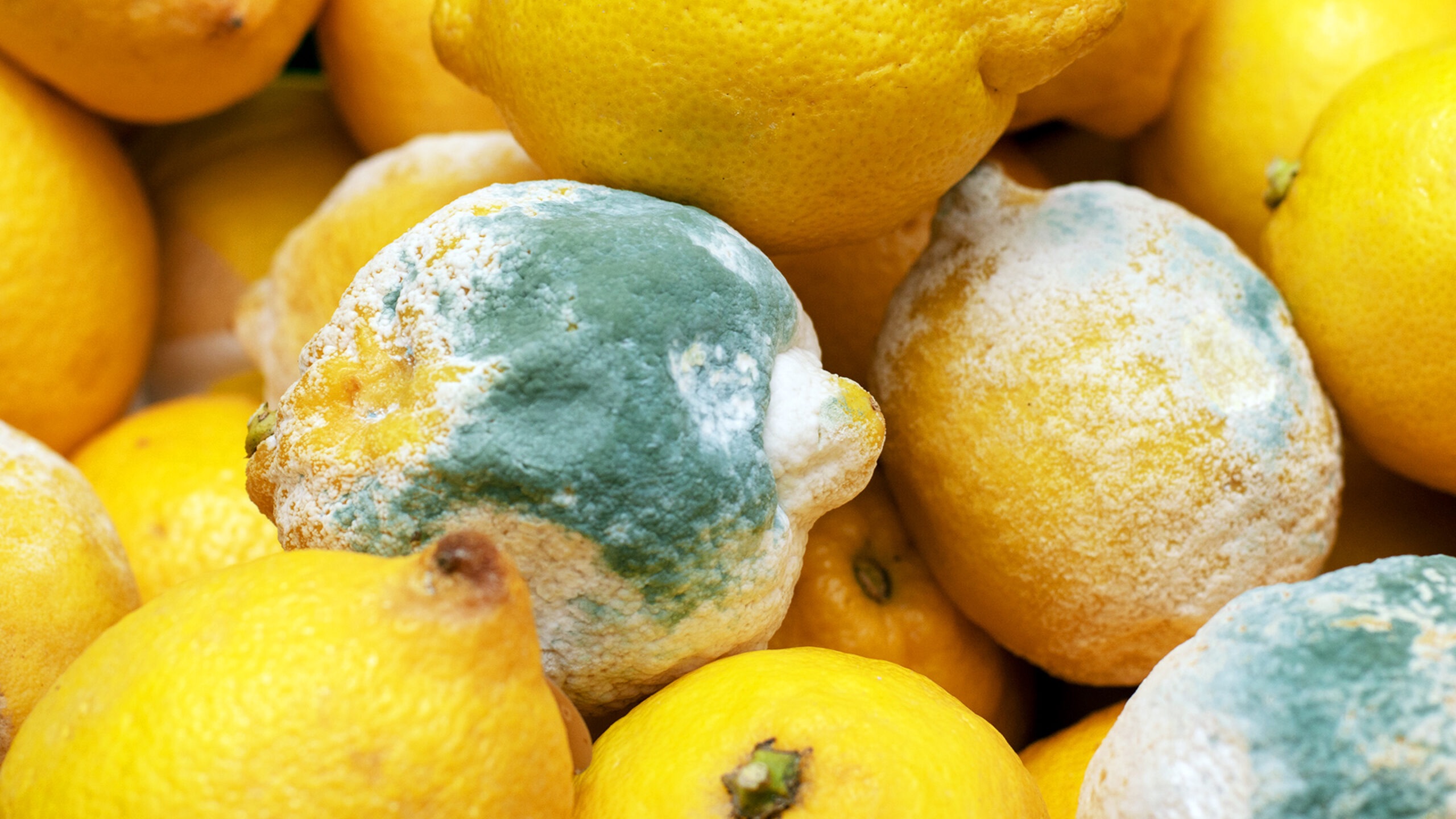
Citric acid, particularly in the form of citrate, is an effective tool in preventing kidney stones. It works by alkalizing the urine and binding with ...
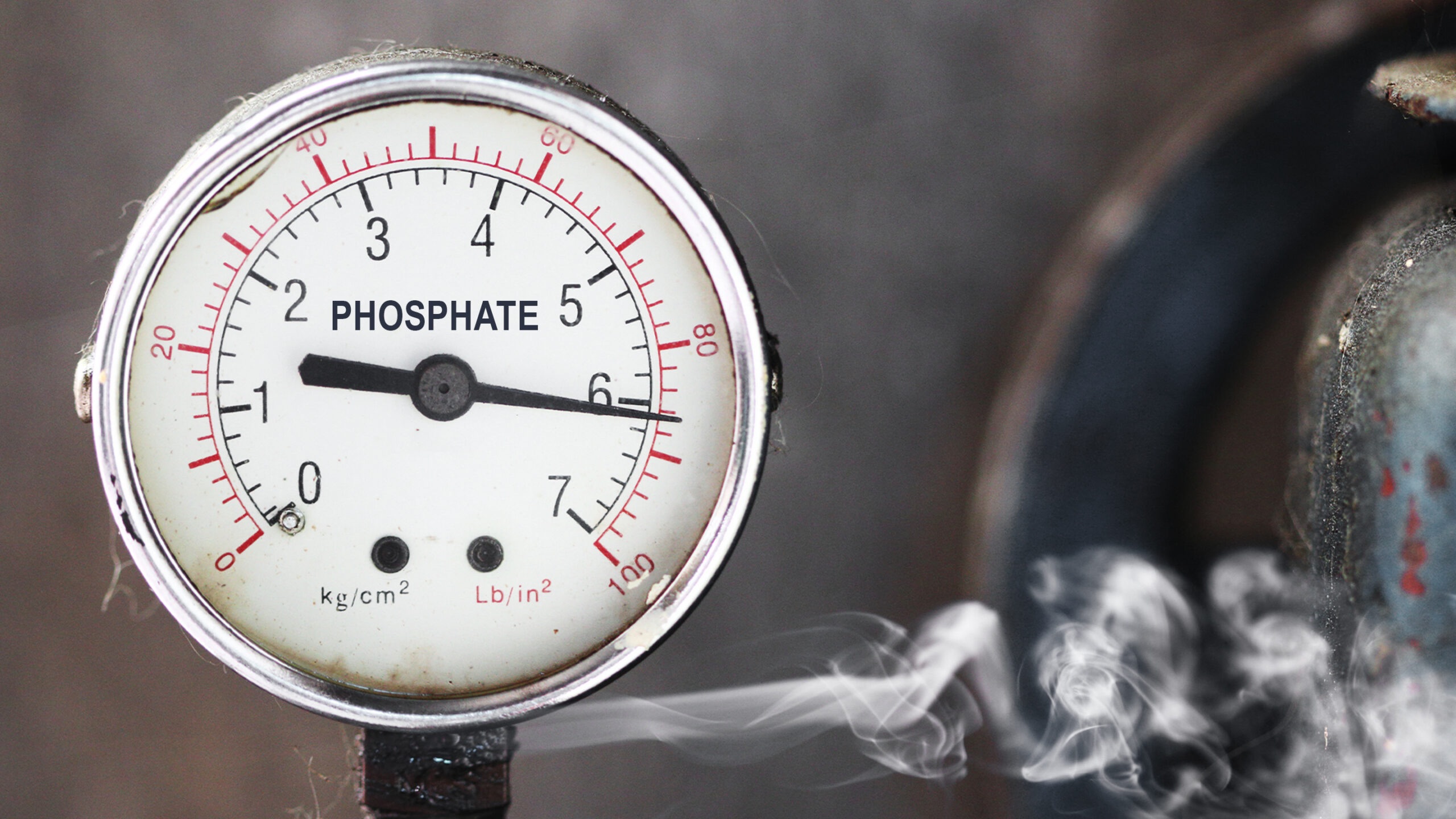
A phosphate leak in the body can trigger the formation of calcium phosphate kidney stones, which occur when the balance between calcium and phosphate ...
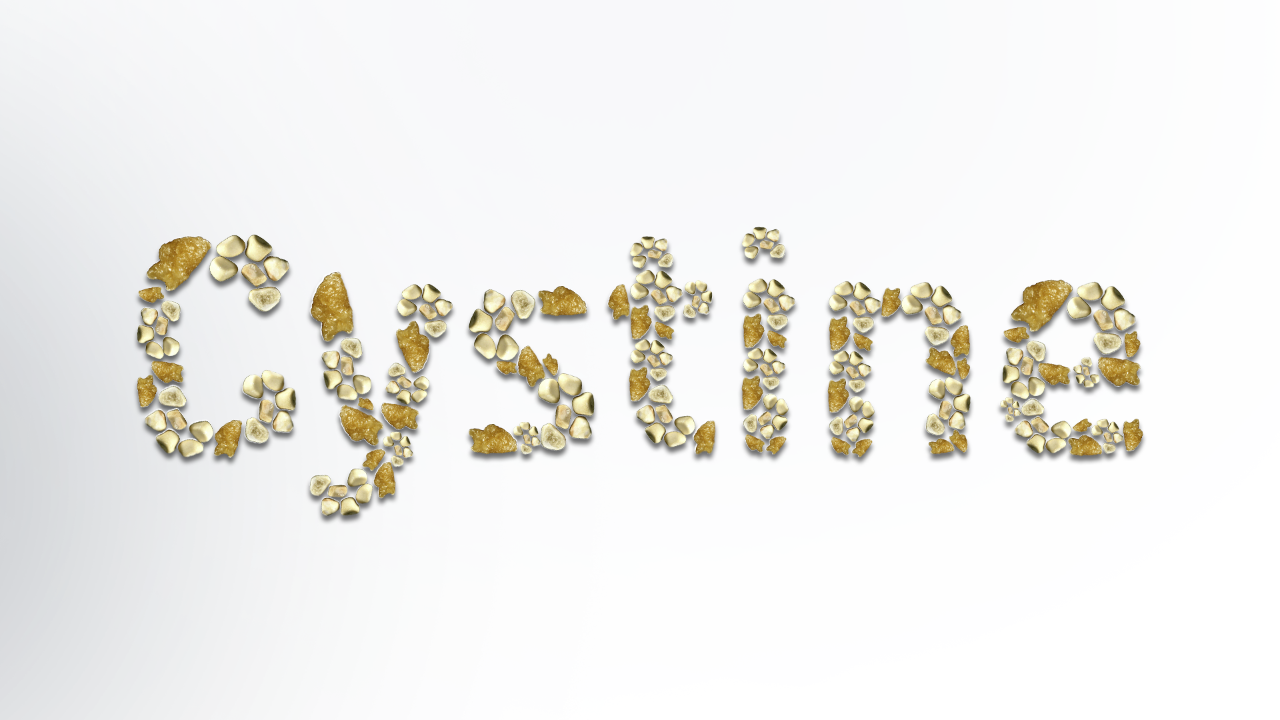
Cystine kidney stones are one of the most difficult types to manage and are often caused by a rare genetic condition called cystinuria. These stones c...
Cystinuria is a rare genetic condition that causes cystine kidney stones to form. Understanding the process, symptoms, and potential management strate...
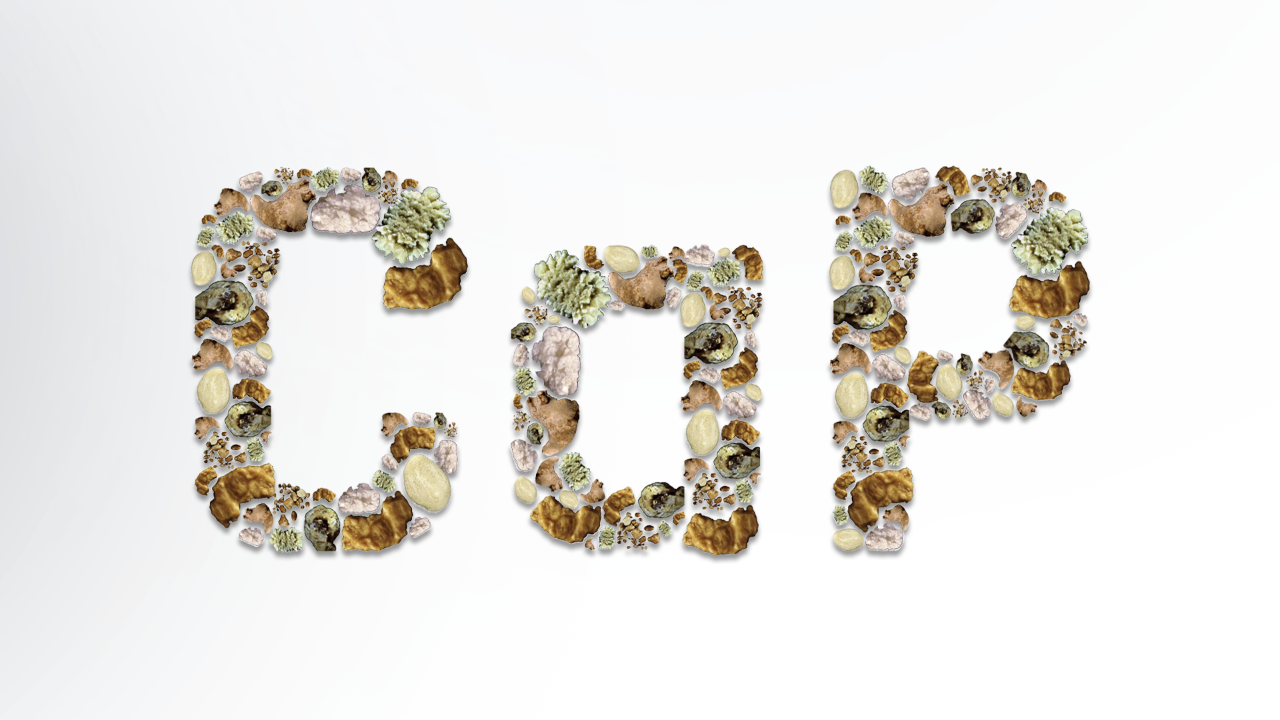
Calcium phosphate kidney stones are a painful and challenging condition, often affecting women more than men. These stones form in alkaline urine and ...
Distal renal tubular acidosis (dRTA) is a hidden contributor to calcium phosphate kidney stones. It disrupts your body’s pH balance, increases urine a...