
7 Most Common Kidney Stones Causes (And Why They Keep Coming Back)
Why Understanding Kidney Stones Causes Matters
If you’ve ever had a kidney stone, you know the pain is unforgettable.
But what many people don’t realize is this:
Kidney stones don’t just “happen.”
They form slowly, silently, and predictably—often weeks or months before symptoms ever appear. Most stones are the result of repeated daily habits that quietly push your kidneys past their breaking point.
Understanding kidney stones causes isn’t about fear.
It’s about control.
When you know why stones form, you’re no longer stuck reacting to pain. You can finally take steps to support your kidneys before another stone takes shape.
Let’s break down the most common kidney stone causes—starting with the ones that matter most.
What Are Kidney Stones, Really?
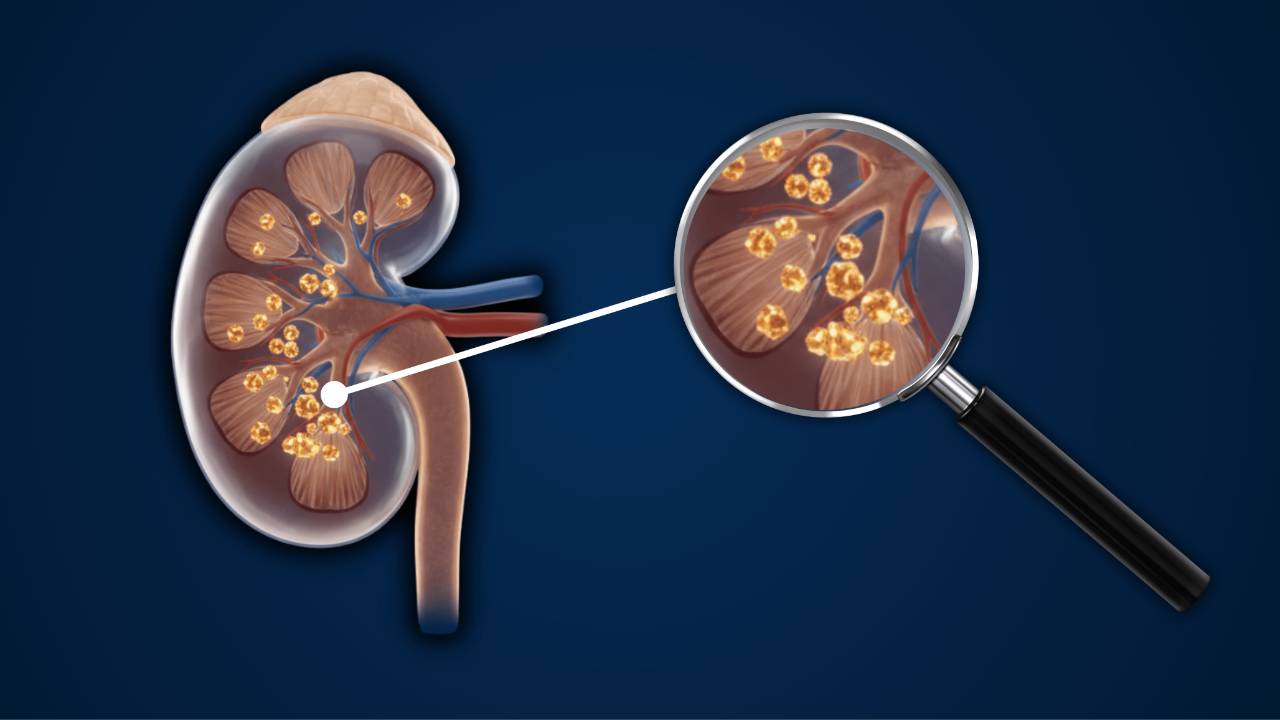
Kidney stones are hard mineral deposits that form when substances in your urine become too concentrated. Instead of staying dissolved, they crystallize, clump together, and harden over time.
Most stones form quietly in the kidneys before eventually moving into the ureter—triggering the intense pain many people associate with kidney stones.
According to clinical patterns outlined in the kidney stone progression literature, stones often go unnoticed during early formation stages.

Cause #1: Chronic Dehydration (The #1 Trigger)
If there’s one cause that shows up in nearly every kidney stone case, it’s not drinking enough water.
When urine volume is low:
- Minerals become concentrated
- Crystals form more easily
- Stones grow faster
Many people assume they’re hydrated because they drink some water. But kidneys need consistent fluid intake throughout the day—not occasional large drinks.
Why dehydration sneaks up on people
- Thirst lags behind actual hydration needs
- Coffee, alcohol, and soda increase fluid loss
- Busy schedules reduce regular water intake
Practical takeaway:
Clear to pale-yellow urine is one of the simplest signs your kidneys are getting enough dilution support.
Cause #2: High Oxalate Intake From “Healthy” Foods
One of the most misunderstood kidney stones causes is dietary oxalate.
Oxalate is a natural compound found in many plant foods. When oxalate binds with calcium in urine, it forms calcium oxalate stones, the most common stone type.
High-oxalate foods include:
- Spinach
- Almonds
- Nuts and nut butters
- Chocolate
- Soy products
- Certain grains and legumes
Oxalate is cumulative. Even moderate amounts consumed daily can build up over time.
This is why many stone-formers are shocked—they were eating “healthy” foods while unknowingly fueling stone formation.

Cause #3: Low Citrate Levels in Urine
Citrate is one of your body’s natural stone inhibitors.
When citrate levels are low:
- Calcium binds more easily to oxalate
- Crystals grow faster
- Stones form more easily
Dietary citrates—especially from citrus fruits—help keep minerals dissolved instead of crystallizing.
Research-backed guidance highlights citrates as a protective factor against stone formation, especially for calcium oxalate and uric acid stones .
Common reasons citrate runs low
- Low fruit and citrus intake
- Chronic dehydration
- Metabolic imbalances
Simple support strategy:
Fresh lemon or lime juice added to water is one of the most accessible ways to increase citrate intake naturally.
Cause #4: Urine That’s Too Concentrated or Too Acidic
Urine chemistry plays a major role in kidney stones causes.
- Acidic urine promotes uric acid stones
- Highly concentrated urine promotes all stone types
- Imbalanced pH allows crystals to stick and grow
Many people never test their urine until they’re already in pain. But stone formation often begins long before symptoms appear.
Certain diets, stress, dehydration, and metabolic factors all influence urine chemistry over time.

Cause #5: Slow or Obstructed Urine Flow
Kidneys are designed to flush waste continuously. When urine flow slows, minerals linger—and stones form.
This can happen when:
- Inflammation narrows the ureter
- Stones partially block urine movement
- Muscle spasms interfere with normal flow
Clinical guidance shows that stones frequently get stuck at predictable narrowing points in the urinary tract, increasing pressure and stone growth risk .
Supporting smooth urine flow is one reason expulsive strategies—both medical and natural—are often recommended during stone passage.
Cause #6: Repeated Inflammation in the Urinary Tract
Inflammation doesn’t just cause pain—it creates the perfect environment for stones.
Inflamed tissue:
- Grips stones more tightly
- Slows urine movement
- Encourages crystal adherence
Inflammation may come from:
- Prior stones
- Urinary irritation
- Diet and lifestyle stressors
Over time, repeated inflammation increases the likelihood that small crystals grow into full stones.

Cause #7: Not Addressing Root Causes After a Stone Passes
This may be the most overlooked kidney stones cause of all.
Many people pass a stone and stop there.
No dietary changes.
No hydration plan.
No prevention strategy.
But kidney stones are recurrent by nature. Without addressing why the stone formed, another one is often already developing.
Stone analysis, hydration adjustments, dietary awareness, and kidney support all play a role in breaking the cycle.
Where Natural Kidney Support Fits In
Once you understand kidney stones' causes, prevention becomes about support, not panic.
Many people choose gentle, plant-based kidney support options to:
- Encourage urine flow
- Support normal kidney function
- Promote mineral balance
Importantly, these approaches are supportive, not medical treatments—and they work best when combined with consistent lifestyle habits.

Practical Takeaways: How to Reduce Kidney Stone Risk Naturally
- Drink water consistently throughout the day
- Be mindful of cumulative oxalate intake
- Add natural citrate sources like lemon or lime
- Support steady urine flow
- Reduce ongoing urinary inflammation
- Don’t ignore prevention after passing a stone
Small daily changes compound into meaningful protection over time.
Final Thoughts: Kidney Stones Are Preventable for Many People
Kidney stones aren’t random.
They’re signals.
Signals that your kidneys are overwhelmed by concentration, imbalance, or repeated stress.
When you understand kidney stones' causes, you move from reacting to pain to supporting long-term kidney health.
That shift alone can make all the difference.
About the Author